



Core technologies
Based on nearly two decades of experience in the highway industry, and combined with computer vision and deep learning technologies, we have independently developed a visual algorithm for the highway field. It has the ability to automatically identify, classify and quantitatively analyze road surface defects, road condition information and traffic facilities, and realize intelligent processing of the entire process from data collection and processing to result output, which significantly improves the efficiency and accuracy of inspection and detection.-
01
Real-time recognition
Based on a small model, it achieves millisecond-level identification of more than 20 types of road defects/events, such as potholes, cracks, and missing traffic safety facilities, covering multiple road types such as asphalt and cement, as well as complex scenarios such as mountainous areas and plains.
-
02
Predictive analytics
Based on a large-scale visual, textual, and temporal model trained with tens of millions of road images, the system can predict the development trend of road defects (such as the speed of crack expansion) and the traffic flow pattern, providing a basis for decision-making in preventive maintenance.
-
03
High accuracy
With an AI recognition accuracy of ≥92%, combined with a manual symbol mechanism, the data quality has passed the Ministry of Transport's spot check and ranks among the top in the province.

Key capabilities
tongtu

- Self-developed visual algorithm engine
- Automatic defect identification adapted for highway scenarios
- Lightweight algorithms enable rapid adaptation to equipment and platforms.
- Automatic conversion from images to structured data
Technical Highlights
This will allow highway management to shift from "manual observation" to "AI-driven understanding," improving work efficiency, reducing operating costs, and supporting scientific decision-making.
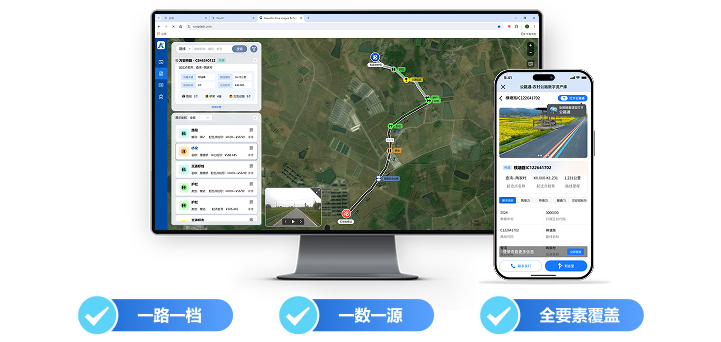
Application scenarios
Original technology enables business and services

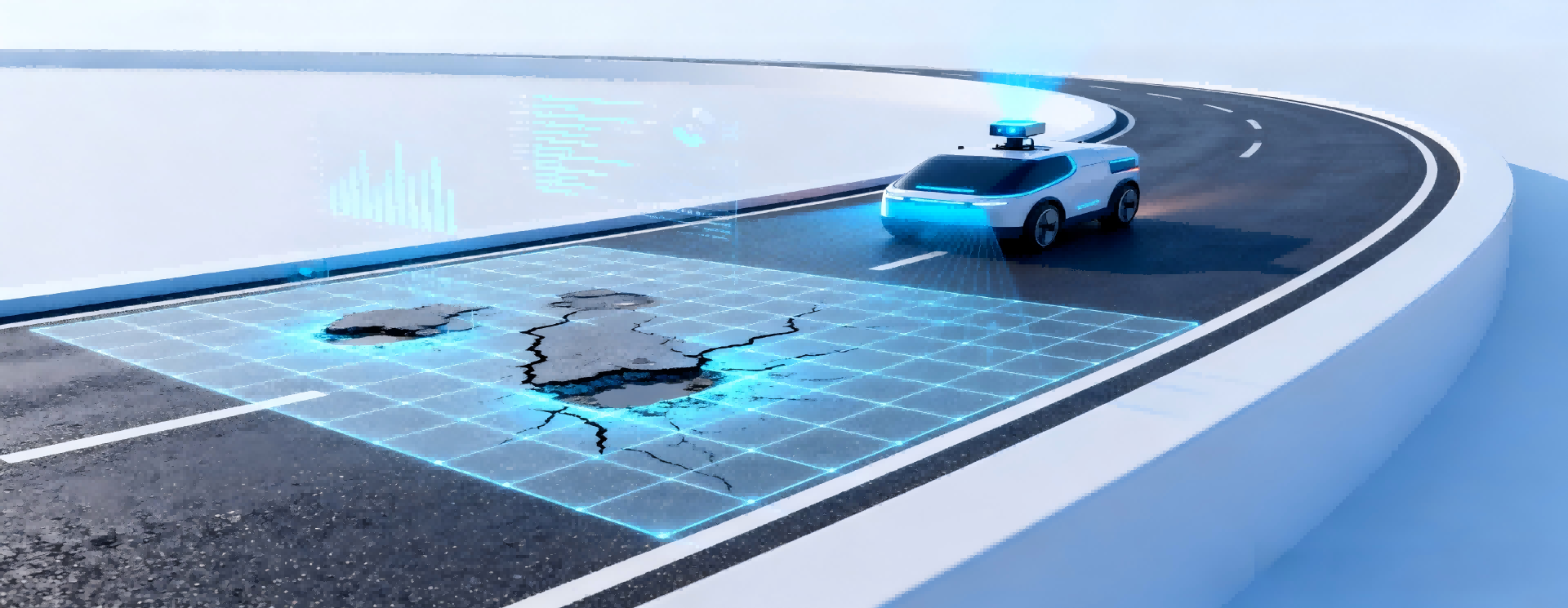
- Automatic identification of road surface defects such as potholes, cracks, and network cracks
- Automatic analysis of Road Surface Quality Index (PQI)
- Automatic identification of missing or damaged traffic safety facilities
- Inspection vehicles, portable testing terminals, and intelligent analysis via SaaS platform