Project Overview
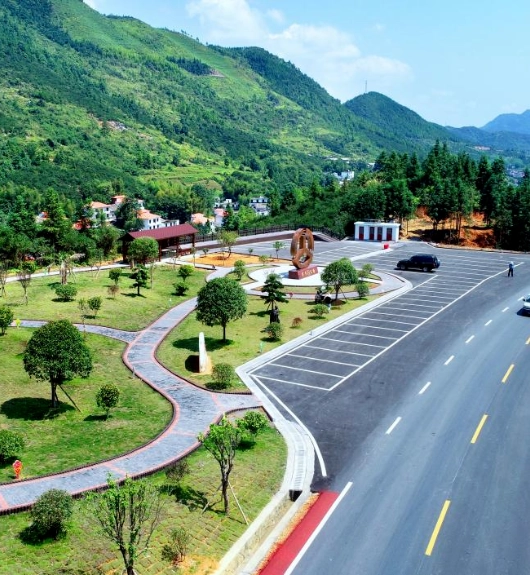
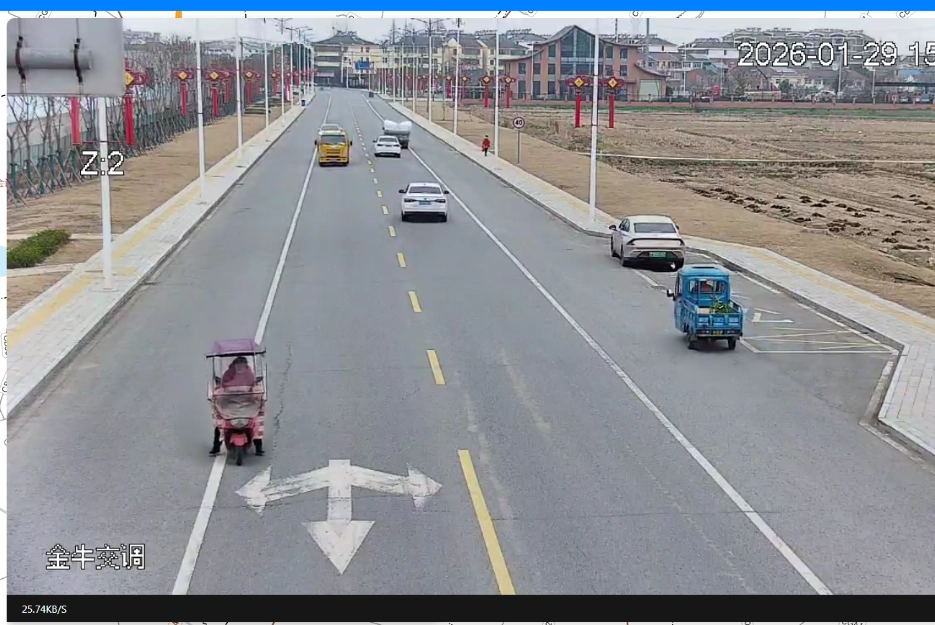
Traffic flow survey equipment is installed in hilly areas, where traffic flow mainly consists of non-motorized vehicles, passenger cars, and heavy trucks. It not only provides real-time and historical traffic flow data to help managers optimize traffic flow, reduce congestion, and improve road utilization efficiency, but also identifies potential safety hazards and takes measures to prevent traffic accidents by analyzing the data.
Demonstration and guidance
By optimizing the road network structure and implementing intelligent management, the region's traffic efficiency and interconnectivity have been significantly improved, providing a replicable and scalable practical example for the coordinated development of urban clusters and the modernization of transportation, and playing a demonstrative and leading role.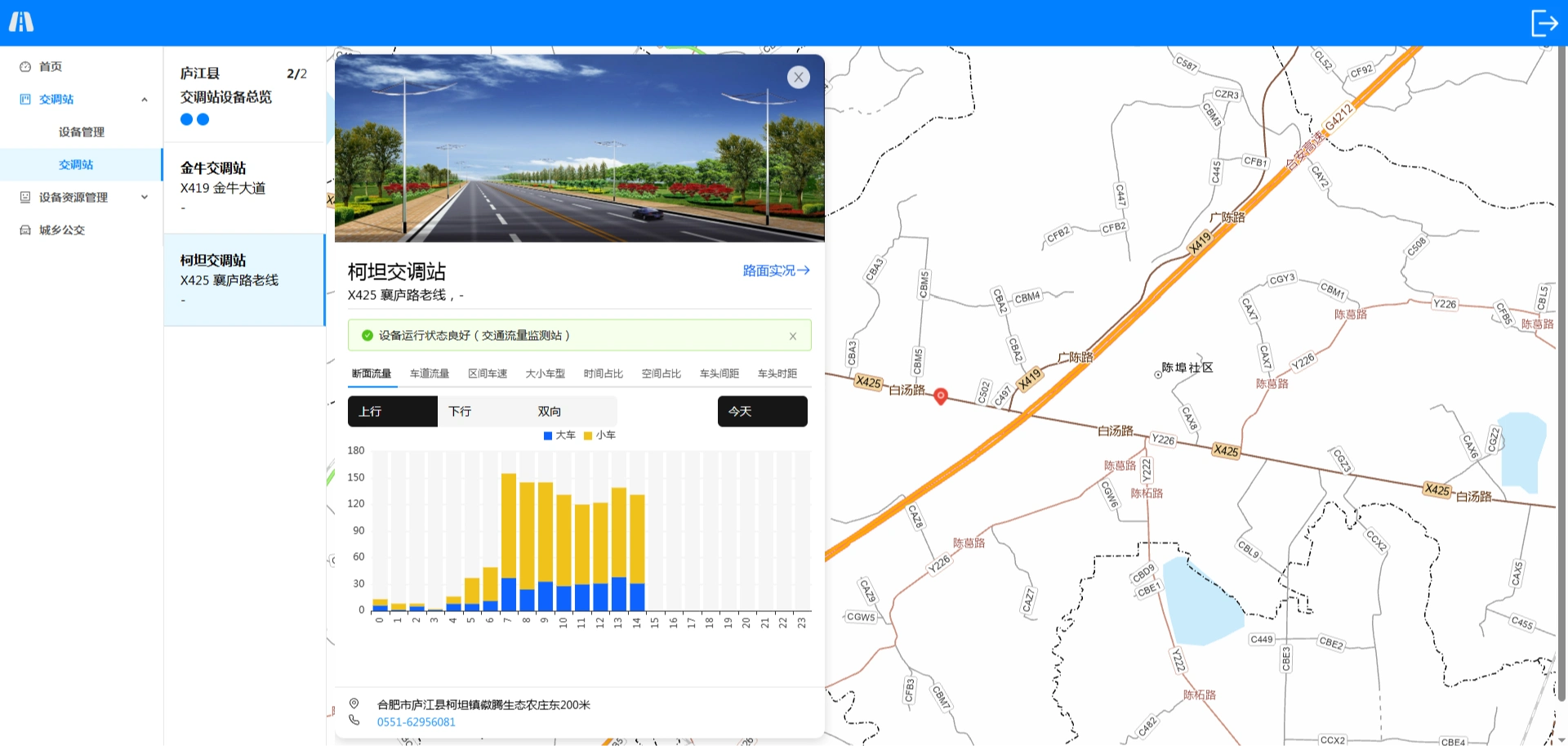
-
National-level pilot projects have formed replicable paradigms.
The resulting innovative achievements encompassing intelligent scheduling, vehicle-road collaboration, and station-city integration have been recognized as a benchmark model with nationwide promotion value.
-
Building a "Smart Transportation Model Room"
To achieve centimeter-level reconstruction and real-time traffic management of traffic accidents, an AI adaptive signal control system is deployed to dynamically adjust traffic lights, thereby improving the traffic efficiency of main roads.
-
Technology closed loop drives regional collaborative upgrading
Through a closed-loop model of "dynamic monitoring - intelligent analysis - precise control", the traffic flow of the road network is transformed from "passive response" to "proactive optimization".
Application effectiveness
Through intelligent and refined management, traffic efficiency, safety, and regional collaboration capabilities have been significantly improved.-

Improved traffic efficiency
By deploying a traffic flow monitoring system, the traffic efficiency of main roads has been greatly improved.
-

Traffic safety improvement
Intelligent transportation systems use vehicle recognition technology to capture violations such as drunk driving and speeding in real time.
-

Regional coordinated development
The integrated "vehicle-road-cloud" architecture has become an important reference for research on intelligent transportation systems.