



Construction Background
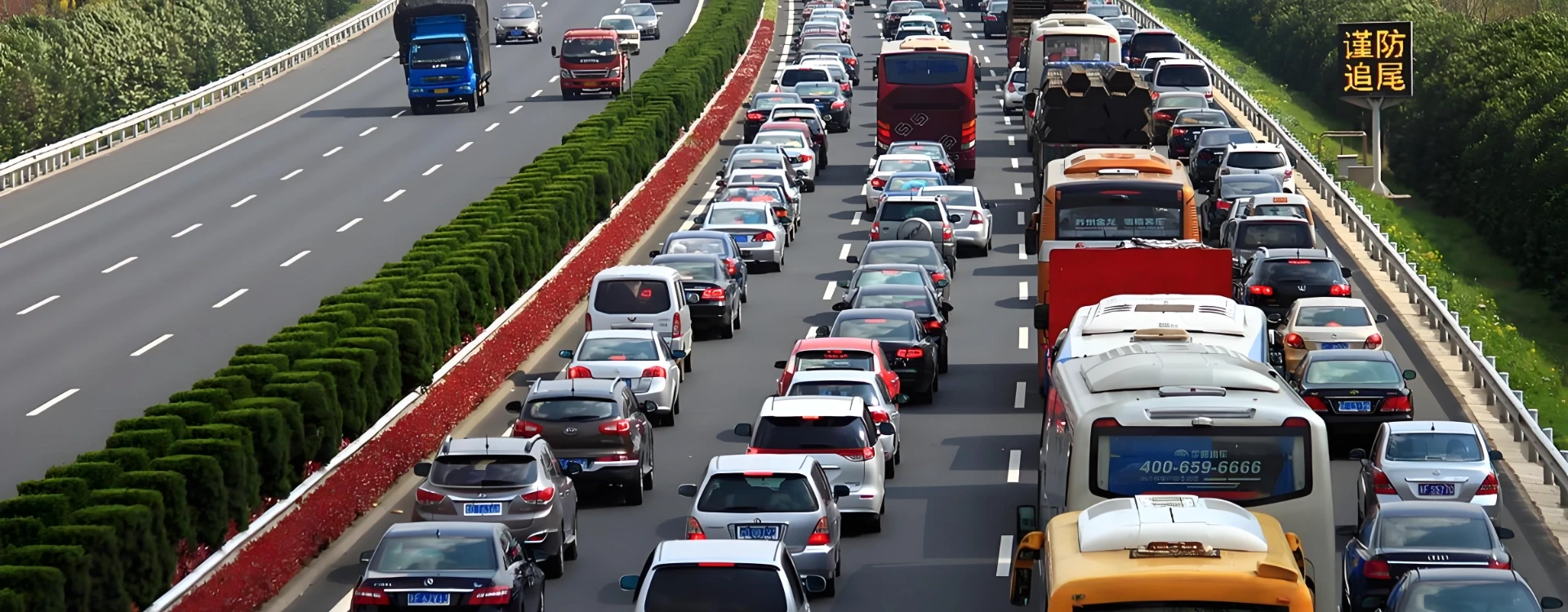
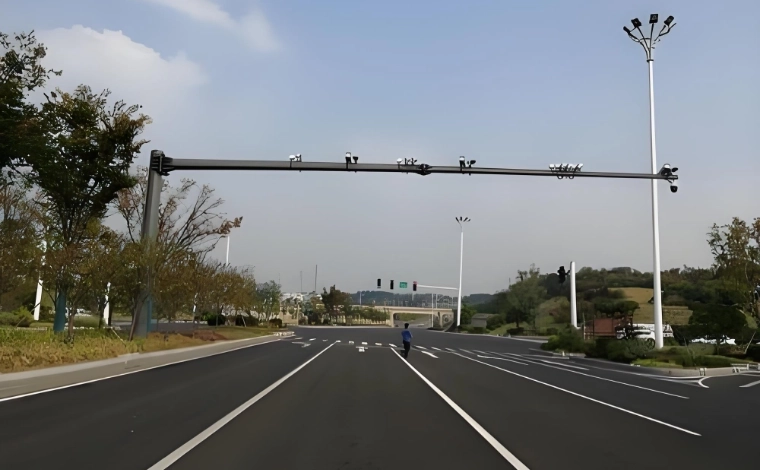
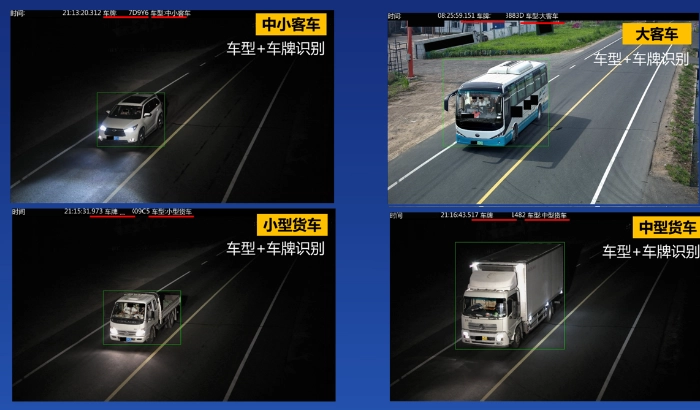
By the end of 2026, through the integration, upgrading, and construction of a number of multi-functional traffic control stations, basic coverage of ordinary national and provincial highways will be achieved. License plate recognition functions will be comprehensively added, and other functions such as video monitoring will be added according to local conditions. Real-time data on traffic flow, license plates, vehicle types, and vehicle weight will be collected, effectively improving the level of accurate collection, precise analysis, and refined management, significantly enhancing the traffic control capacity of ordinary national and provincial highways, and powerfully serving the industry's scientific decision-making.
Implementation Plan
We must do a good job in comprehensively improving traffic management capabilities to provide the strongest support and guarantee for the highway and even the transportation industry to enter a new stage of digital and intelligent development.

Core Values
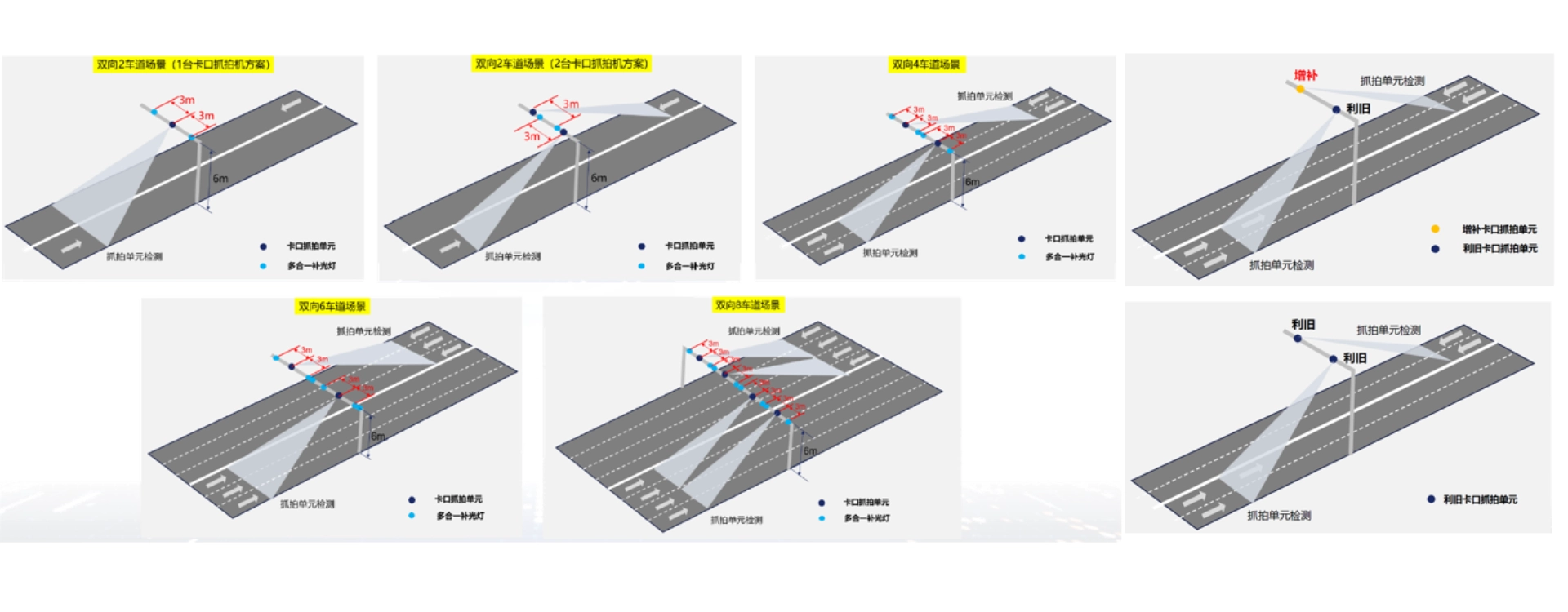
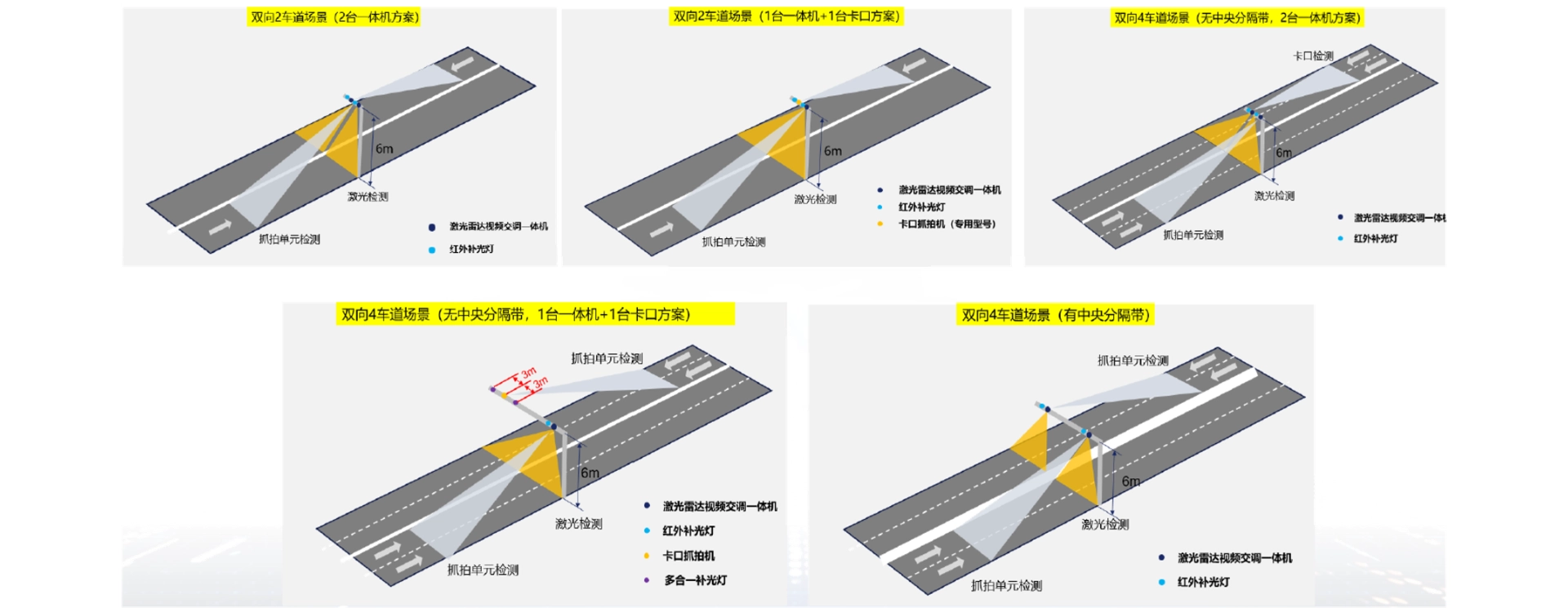
By scientifically collecting and analyzing traffic data, we can provide necessary data support for traffic planning, road construction, traffic management and control, and engineering economic analysis.
-
Ensure traffic safety
By using data such as traffic volume and vehicle speed, the level of road traffic safety can be evaluated, providing a basis for the installation of safety facilities.
-
Improve traffic management efficiency
By investigating delays, congestion points can be identified, and targeted mitigation measures can be developed, such as signal optimization and lane adjustments.
-
Promote post-project evaluation
A comparative survey of traffic volume before and after various engineering and management measures was conducted to determine the rationality and effectiveness of the measures taken. The evaluation results will guide future performance assessments of road management, gradually shifting the focus from assessing data to assessing management effectiveness.
-
Supporting transportation planning and infrastructure optimization
By statistically analyzing traffic flow at different times and on different road sections, we can provide a basis for determining the scale of new roads, designing road geometry, and setting up traffic management facilities.
Application Cases
-
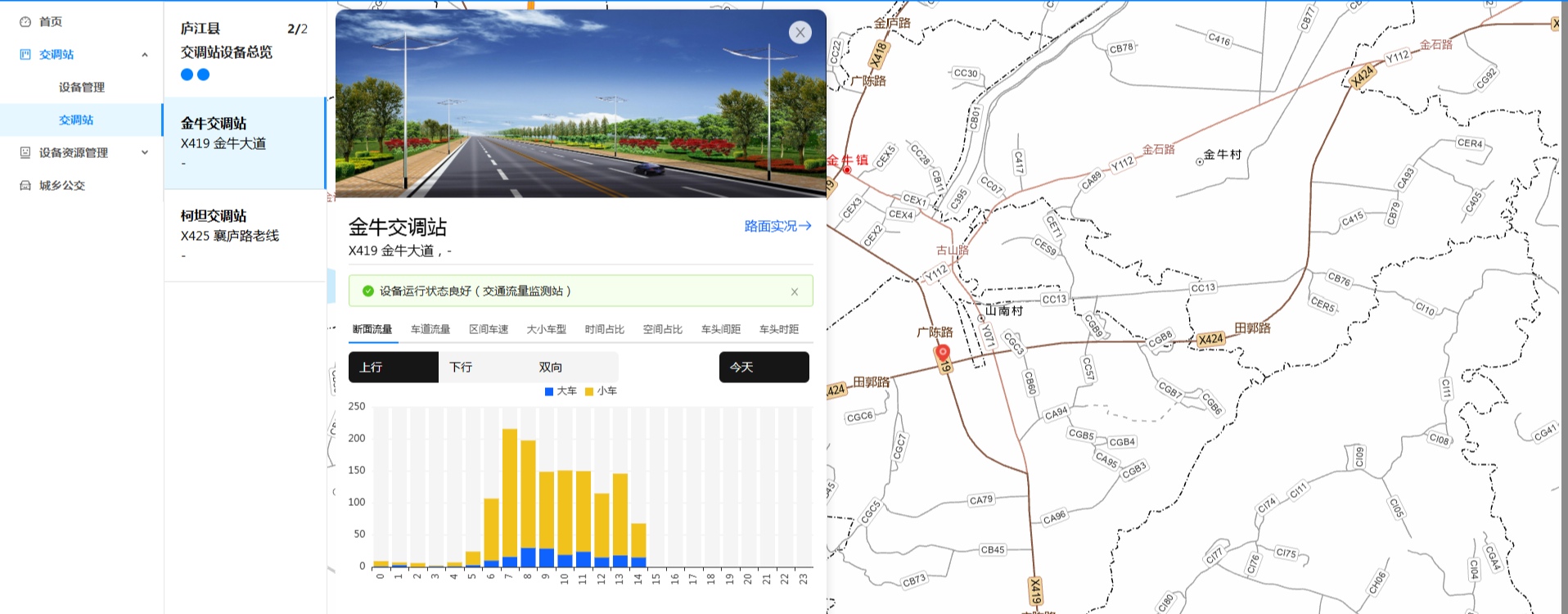
Construction Project of Traffic Flow Survey Station in Hilly Areas
Traffic flow survey equipment is installed in hilly areas, where traffic flow mainly consists of non-motorized vehicles, passenger cars, and heavy trucks. It not only provides real-time and historical traffic flow data to help managers optimize traffic flow, reduce congestion, and improve road utilization efficiency, but also identifies potential safety hazards and takes measures to prevent traffic accidents by analyzing the data.
-
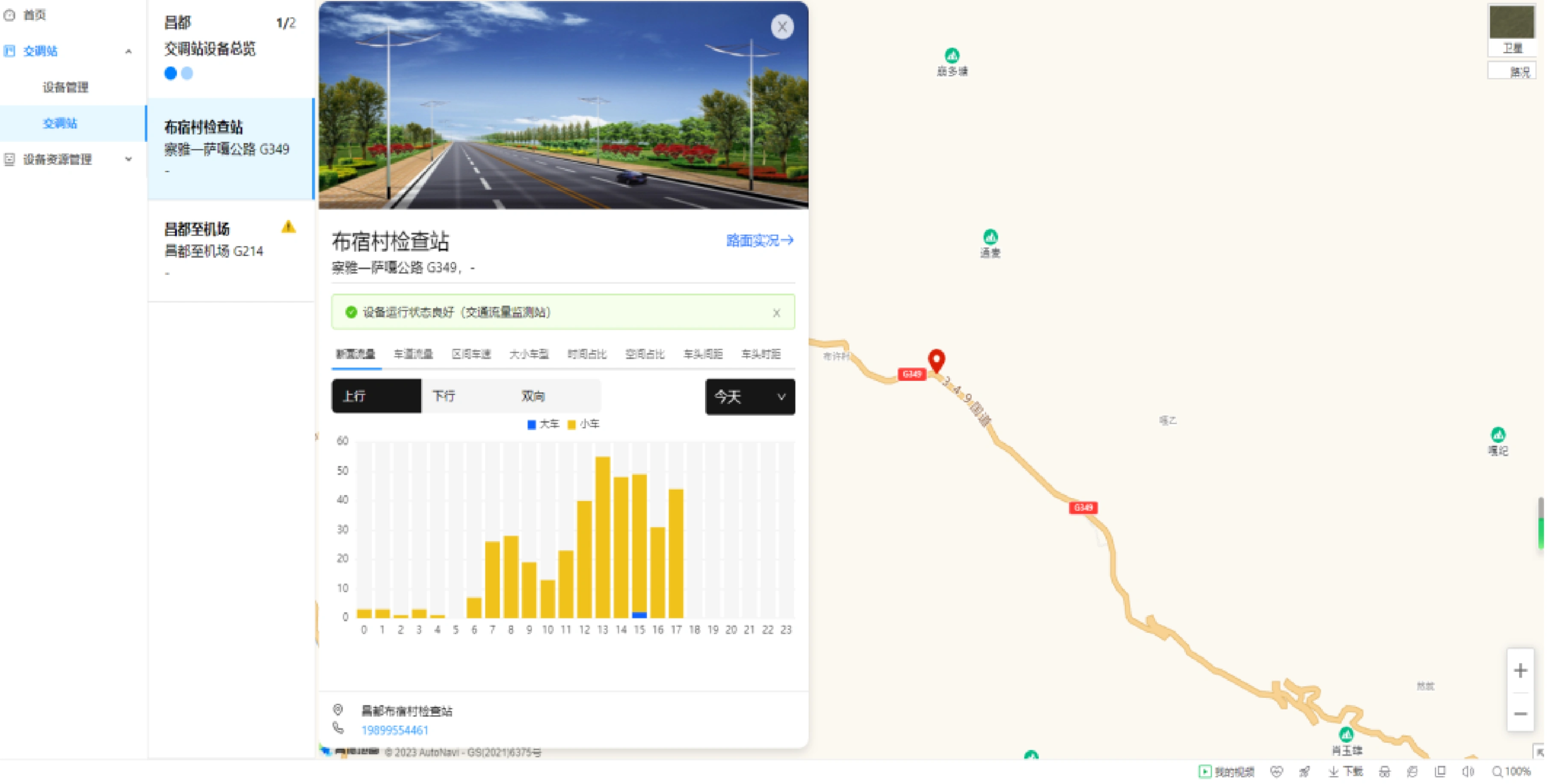
Construction Project of Traffic Flow Survey Station in Plateau Area
By constructing traffic flow monitoring stations on key road sections in plateau regions, long-term and accurate data collection on vehicle flow, speed, vehicle type, and weather conditions can be achieved, providing core data support for traffic planning, safety improvement, and intelligent management.