Project Overview
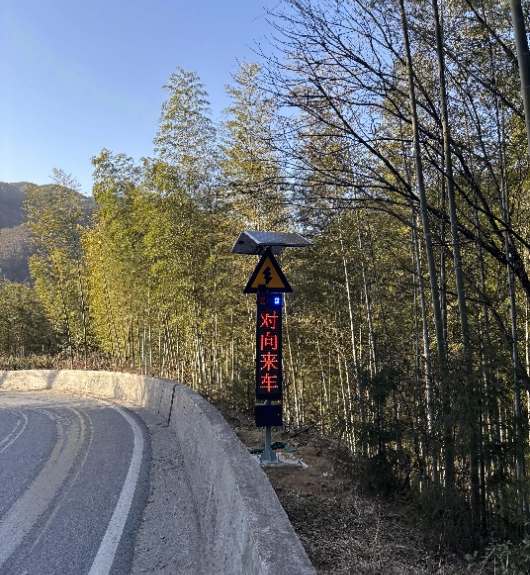
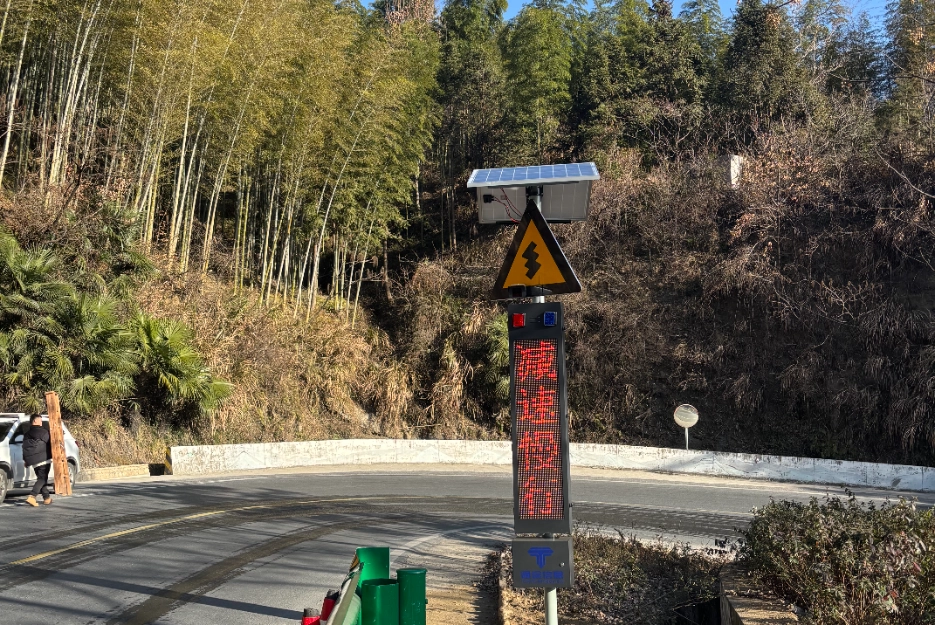
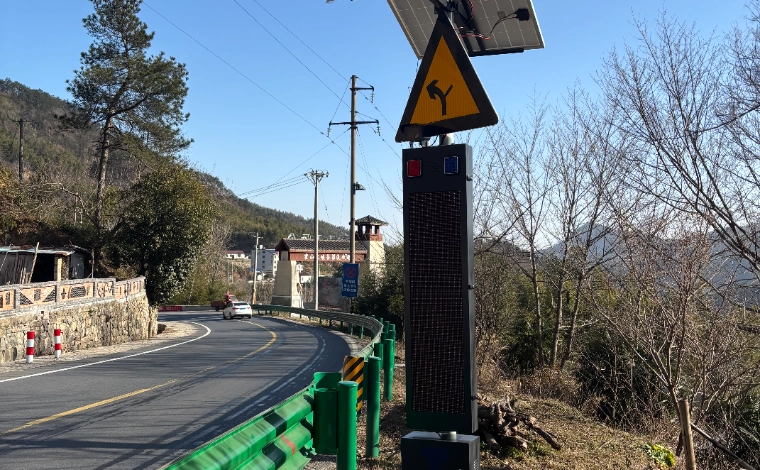
To improve driving safety on mountain roads, the transportation department has deployed an intelligent early warning system upgrade project on sections of roads with sharp bends and steep slopes. This project adopts a closed-loop management mechanism of "front-end perception + cloud-based decision-making + terminal response," relying on roadside sensing devices to collect traffic flow data in real time, analyzing it using AI algorithms to generate early warning commands, and then disseminating them in real time through solar-powered early warning terminals.
Demonstration and guidance
Through technological innovation and model exploration, we can provide replicable experiences for the industry and promote the overall improvement of security levels.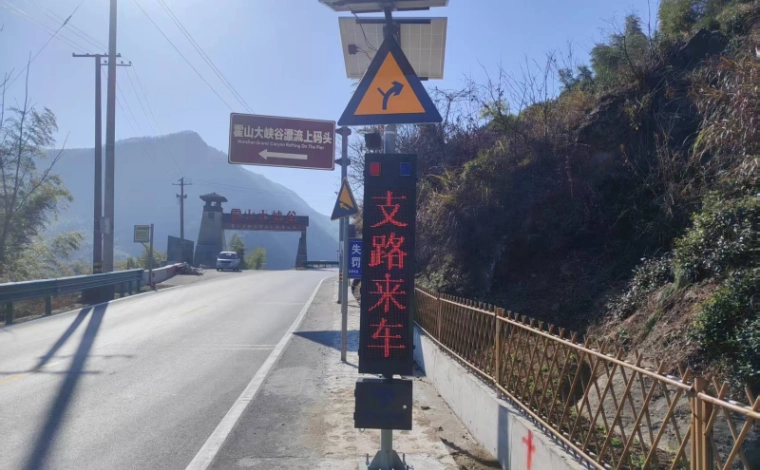
-
Technical demonstration
By using technologies such as millimeter-wave radar and vehicle-road cooperation to achieve full-element digital perception, a technological model is provided for the construction of smart highways.
-
Exemplary demonstration
Through a multi-party cooperation mechanism, the deployment of the highway sentry system was completed efficiently, becoming a model for grassroots governance.
-
Benefit Demonstration
By delivering timely and effective early warning information, the accident rate can be effectively reduced and traffic efficiency improved.
Application effectiveness
By proactively issuing warnings and implementing intelligent interventions, traffic management has shifted from "passive response" to "proactive prevention," effectively reducing the accident rate.-

Accident prevention and risk intervention
Based on radar detection of oncoming vehicles, and through LED dynamic text prompts and sound and light linkage warnings, the risk of lateral collisions in blind spots at intersections and curves is effectively reduced.
-

Technology upgrades and system optimization
By integrating video surveillance image analysis and vehicle navigation trajectory data, an intelligent evaluation model can be constructed that can output congestion index, abnormal event probability, and route recommendation confidence in real time.
-

Diverse scene coverage expansion
Deploying advanced safety early warning equipment can promptly alert drivers to potential dangers, thereby significantly reducing the incidence of traffic accidents and improving the overall level of road safety.