Project Overview
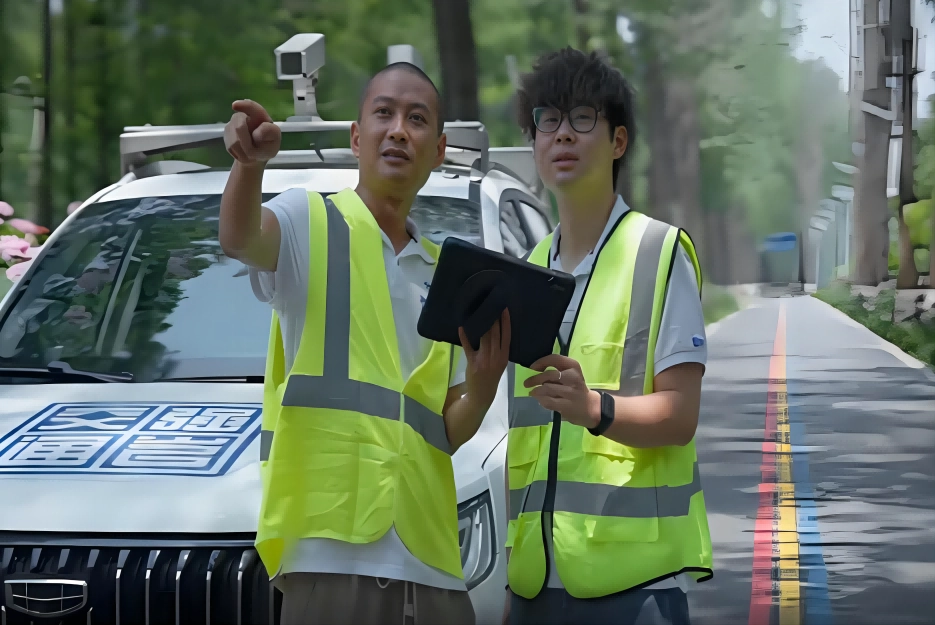
Focusing on ensuring safe passage and precise data management on rural roads, our company deeply participated in and assisted the Wuhu Municipal Highway Management and Service Center in successfully conducting a city-wide investigation of safety hazards and verification of basic data on rural roads. This work employed integrated air-ground-space survey technology, combined with on-site verification by a professional team, to comprehensively screen and accurately verify the roadbed, pavement, bridges, tunnels, culverts, traffic safety facilities, and high-risk points along rural roads within Wuhu City. The project established a closed-loop service system integrating hazard identification, risk assessment, and data updates, aiming to solidify the data foundation for rural road safety management in Wuhu and enhance proactive prevention capabilities.
Demonstration and guidance
Developing mature and reliable implementation methodologies and technology platforms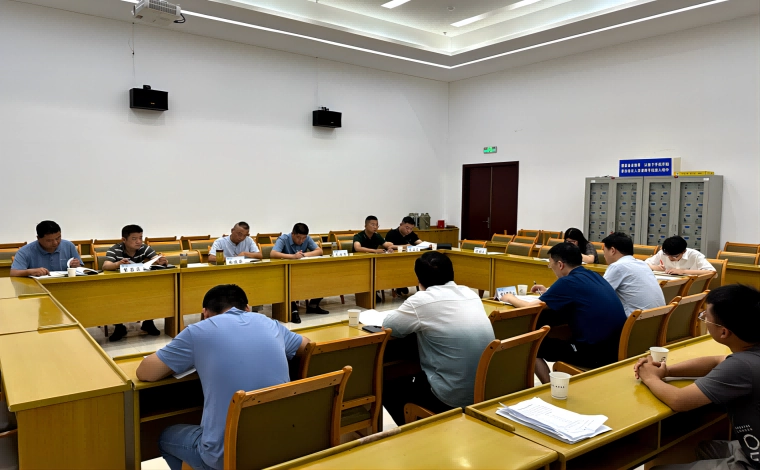
-
The organizational and collaborative model of "special task force + platform"
We assisted the municipal bureau in establishing a project leadership team, clarifying the division of responsibilities, and at the same time built a "basic data verification platform" to collect and report data on-site using mobile terminals, achieving efficient multi-level collaboration and closed-loop management of work processes at the municipal, county, and township levels.
-
The implementation strategy of "pilot projects first, then rollout across the entire region"
Innovatively adopting a point-to-area approach, pilot projects were first launched in Yijiang District and Sanshan District to verify the working model and technical standards. After summarizing the experience, a city-wide work deployment meeting was held to ensure that the standardization was unified and implemented in a solid and orderly manner throughout the region.
-
Data assurance mechanism for "dual quality control"
We assisted in establishing a three-tiered data review mechanism consisting of "preliminary review at the county/district level, review at the municipal level, and on-site spot checks," and organized experts to discuss and evaluate the results, ensuring the extremely high credibility and usability of the final data entered into the database, thus safeguarding the long-term value of the data.
Service effectiveness
To create a benchmark and demonstration effect, providing mature models and technological examples that can be replicated and promoted.-

Comprehensive documentation of safety hazards
Various safety hazards were accurately identified and classified, forming a detailed record of "one file for each road and one policy for each hazard".
-

Precise updates to basic data
The on-site verification and update of the core attribute data of rural roads in the city was completed using the 100% method, which greatly improved the reliability of management data.
-

Empowering scientific planning and decision-making
The data findings have been directly applied to core areas such as industry planning and construction, providing strong support for the high-quality development of "four-good rural roads".