Planning Overview
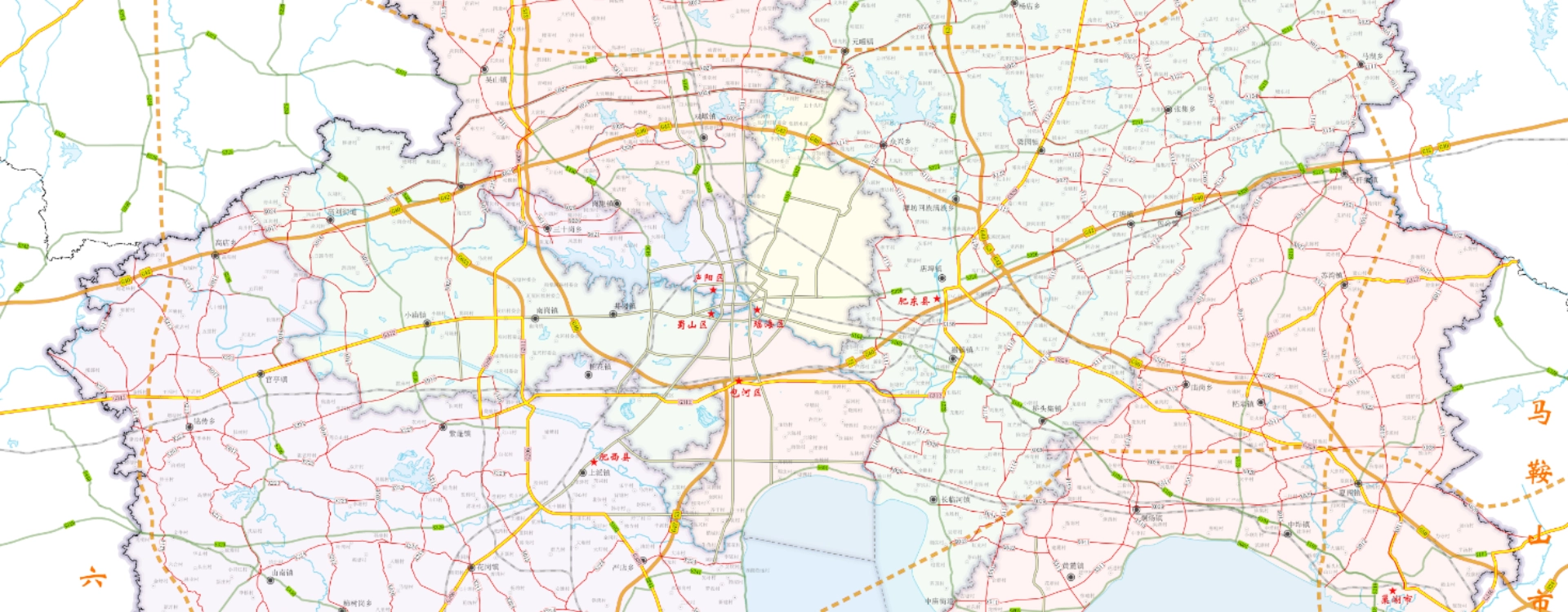
To implement the rural revitalization strategy and the "Four Good Rural Roads" construction goals, and in line with the "National Highway Network Plan" and the "Anhui Provincial Highway Network Plan," our company provides rural road network planning technical services to the Hefei Municipal Transportation Authority. The focus is on reorganizing county and village roads, optimizing the road network structure, improving technical standards and interconnectivity, and serving the integrated development of urban and rural areas. By densifying the network and integrating resources, we enhance the supporting role of highways in industrial upgrading, tourism development, and improving people's livelihoods, helping Hefei build a modern comprehensive transportation system and providing transportation guarantees for achieving a moderately prosperous society in all respects. The planning period is from 2016 to 2030, covering the entire city, with a focus on connecting with areas where provincial highways have been adjusted.
Demonstration and guidance
-
Concept Demonstration
By adhering to the principle of "planning first and integrating multiple plans," rural road planning is deeply integrated into the overall planning of land use, industrial development, and rural tourism, ensuring the scientific and forward-looking nature of the road network layout.
-
Technical demonstration
By applying digital technologies such as GIS and BIM, a leading "smart rural road" management system has been built, realizing digital management of the entire life cycle from planning and construction to maintenance, and improving decision-making efficiency and management level.
-
Standard Demonstration
They spearheaded the formulation and application of a series of local technical standards and management regulations, setting a "quality benchmark" in areas such as ecological route selection, quality control, and safety protection, and promoting the overall improvement of regional rural road construction standards.
Application effectiveness
-

With a well-developed road network, travel is convenient.
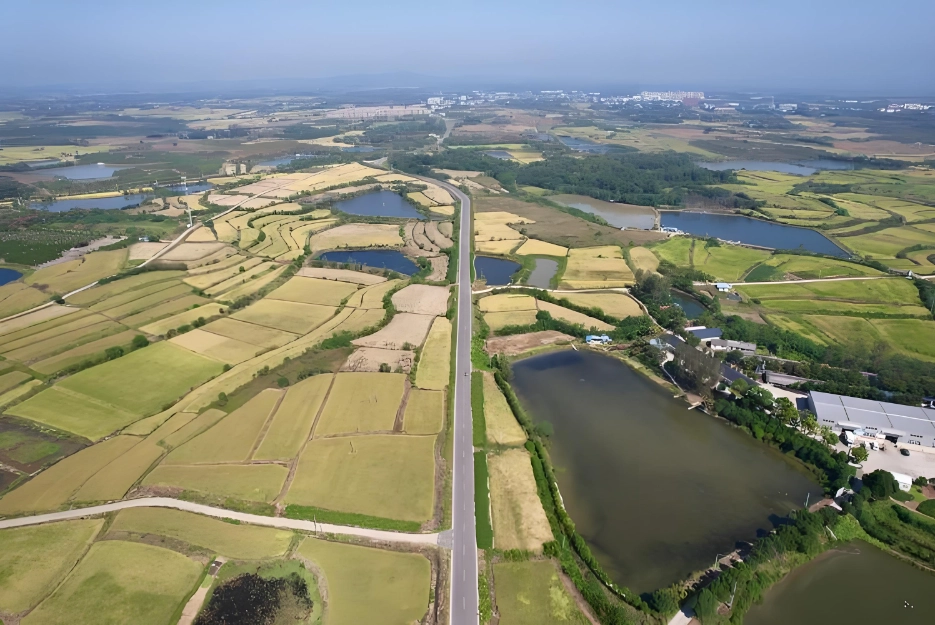
The goal of achieving access to Class II highways for all townships and Class IV or higher highways for all administrative villages and larger natural villages has greatly improved travel conditions for the general public, enhanced transportation links between counties, between county towns and townships, and between townships, and promoted integrated urban-rural development.
-

Smart management leads to industrial prosperity.
Deeply integrated into the overall planning of land use, industrial development, and rural tourism, this ensures the safe, smooth, and efficient operation of rural roads. By constructing a "transportation + industry" model, it effectively improves the external road transportation conditions of major rural economic nodes, serving the development of rural industries.
-

Environmental beautification and ecological livability
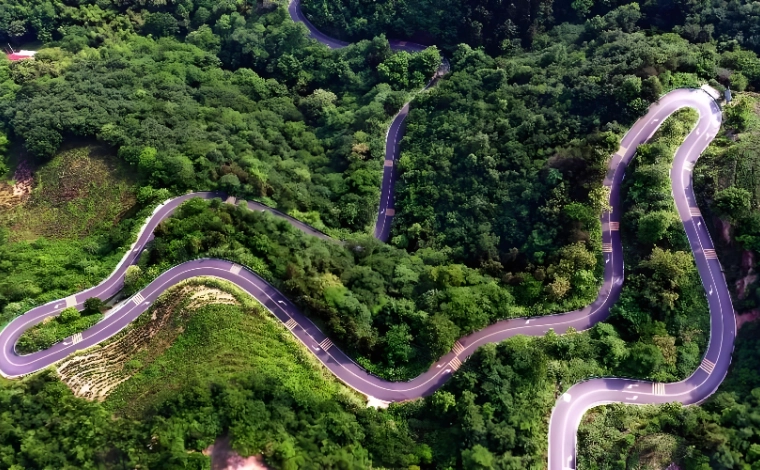
By improving service facilities along rural roads and expanding services such as parking, charging, shopping, leisure, and sightseeing, the service capacity and sustainable development capacity of rural roads are enhanced, creating a more comfortable and convenient travel environment for villagers and contributing to the construction of livable, business-friendly, and beautiful villages.