



Construction Background
The National Outline for Building a Powerful Transportation Nation clearly states that by 2025, full coverage of highway network monitoring will be achieved, and automated equipment must be deployed on high-risk road sections. The maturity of BeiDou high-precision positioning, 5G transmission, and domestically produced low-cost sensors makes millimeter-level monitoring and minute-level early warning possible, resolving the contradiction between the suddenness of disasters and the lag in response.
Application scenarios
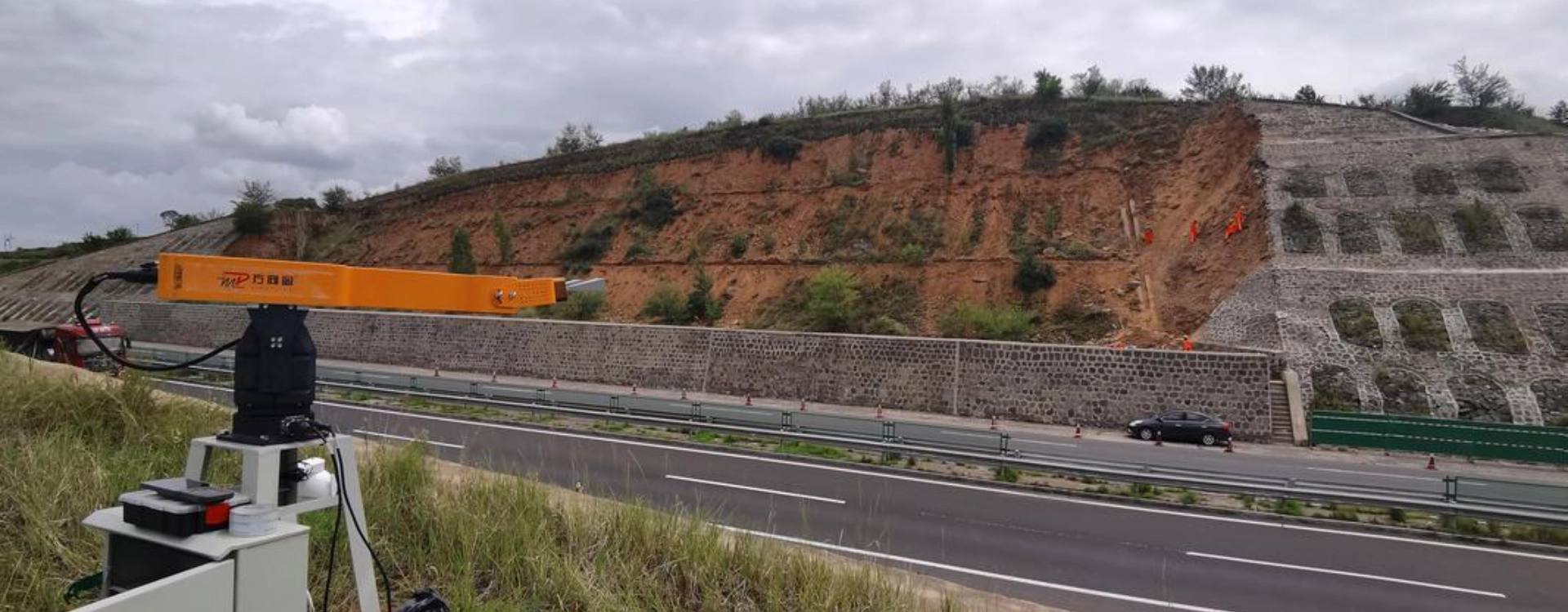
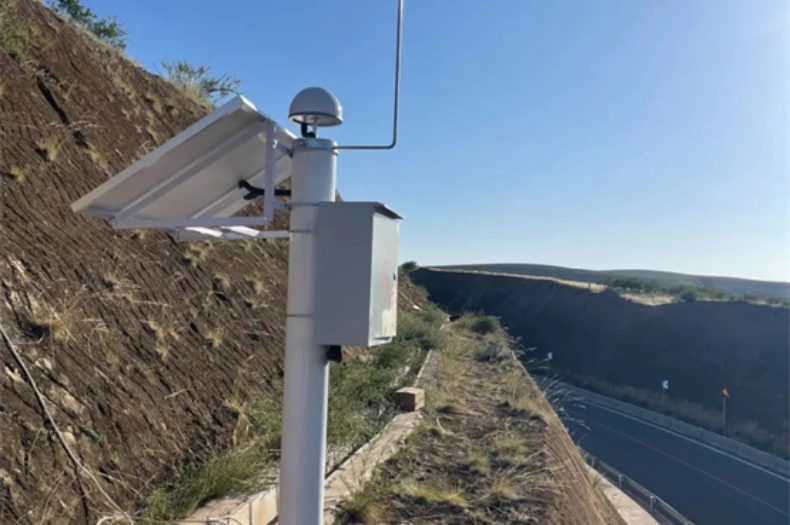
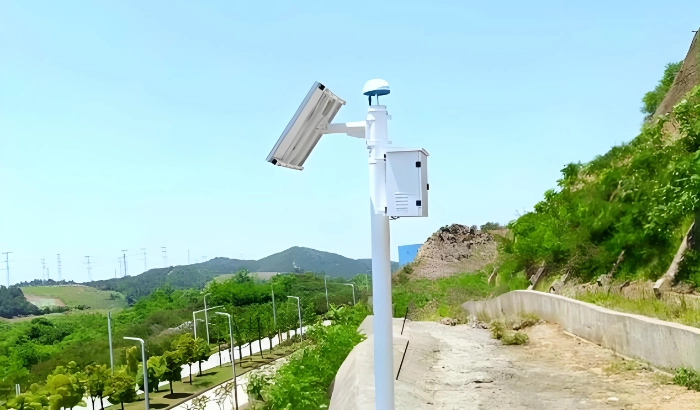
Highway natural disaster monitoring uses sensors, AI, and BeiDou technologies to provide real-time early warnings of risks such as bridge collapses, slope landslides, and tunnel deformation, ensuring road safety.



Core Values
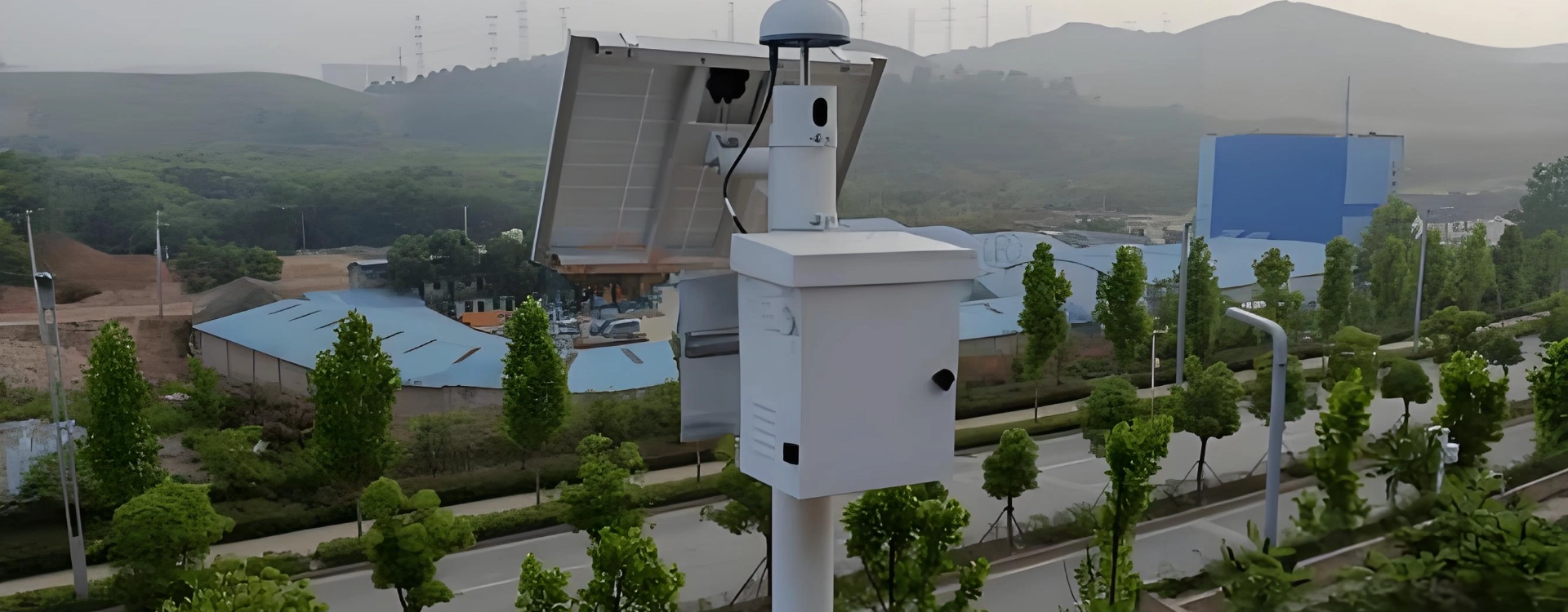
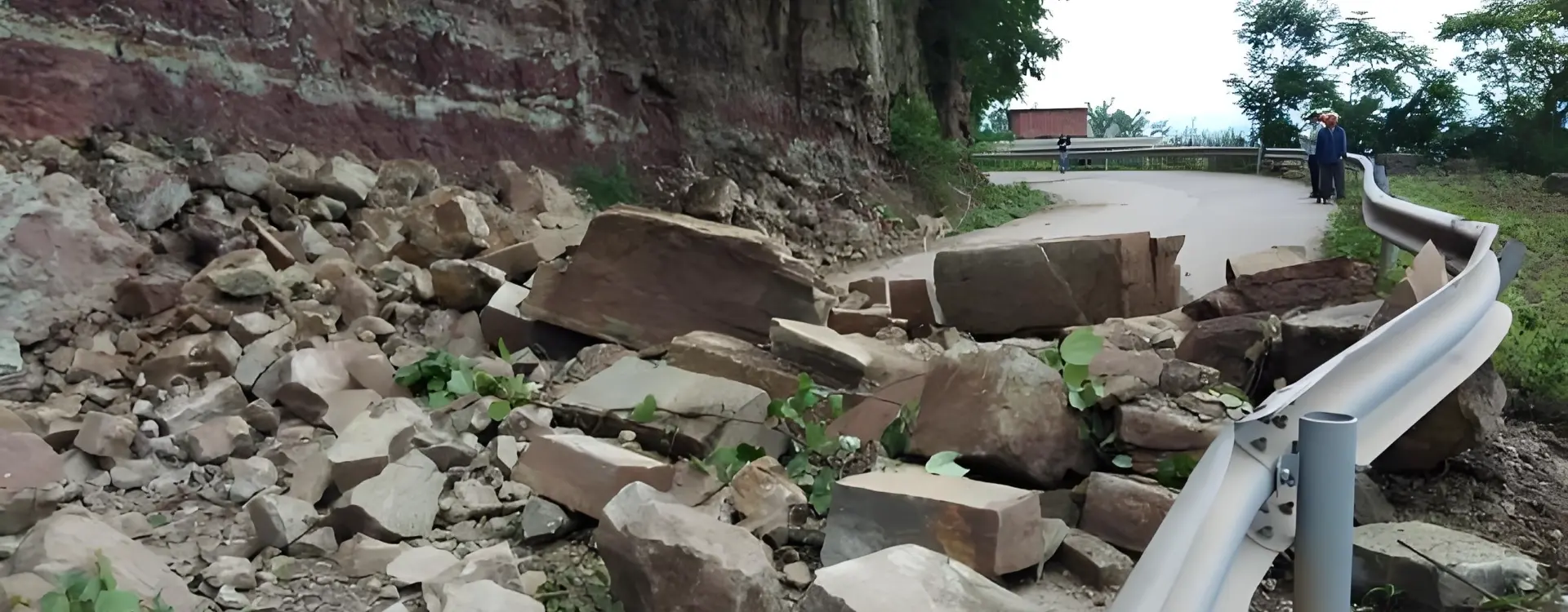
The core value of highway natural disaster monitoring lies in using technological means to achieve real-time perception, accurate early warning, and intelligent response to disasters, thereby effectively ensuring highway traffic safety and reducing disaster losses.
-
Accurate early warning accelerates emergency response.
The monitoring system can intelligently identify abnormal patterns from massive amounts of data, enabling tiered early warning and improving emergency response efficiency.
-
From "human defense" to "technology defense": Improving monitoring efficiency and accuracy
Traditional disaster monitoring relies on manual patrols, which suffers from drawbacks such as long intervals, slow response, and limitations imposed by weather and terrain. Natural disaster monitoring systems, by deploying sensors and early warning equipment, have achieved a transformation from intermittent "human-based defense" to continuous "technology-based defense."
-
Data-driven decision-making optimizes resource allocation and engineering maintenance.
Long-term monitoring data provides a basis for scientific management and engineering maintenance.
-
Policy support and technological self-reliance
The Ministry of Transport is promoting the monitoring and early warning of natural disasters on highways, expanding the application of highway monitoring and early warning systems, enhancing the depth and breadth of risk source investigation, and improving the ability to monitor dynamic risks in real time.
Application Cases