



Construction Background
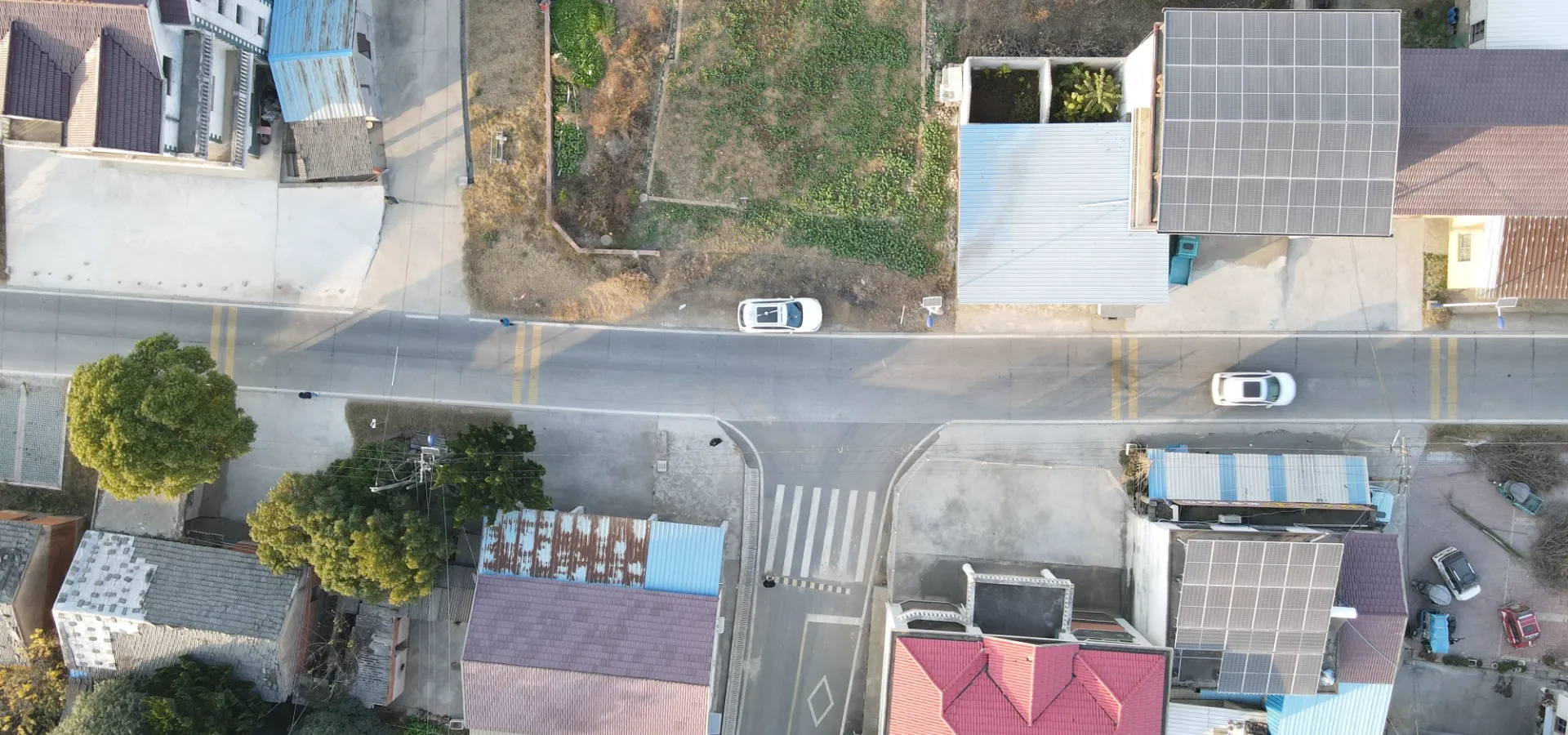
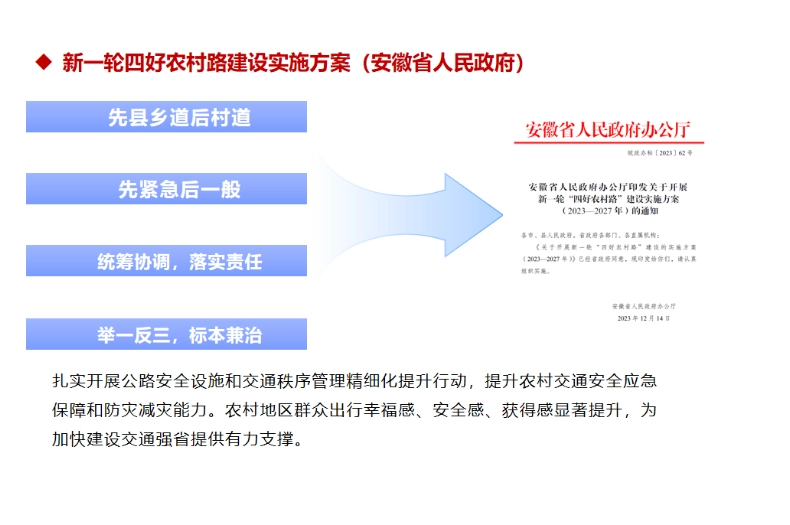
With the large-scale construction of highways, the safety of highway intersections faces severe challenges, and the traditional model relying on manual inspections and static management is no longer sufficient to cope with complex road conditions. Against this backdrop, breakthroughs in technologies such as artificial intelligence, big data, and the Internet of Things have provided intelligent solutions for traffic management, making the improvement of highway intersection safety an inevitable choice. By monitoring road conditions in real time, analyzing risk factors, and issuing timely warnings, not only can traffic safety control capabilities and traffic efficiency be improved, but the transportation industry can also be driven to transform towards a resource-saving, environmentally friendly, green, and low-carbon model.
Improvement Plan
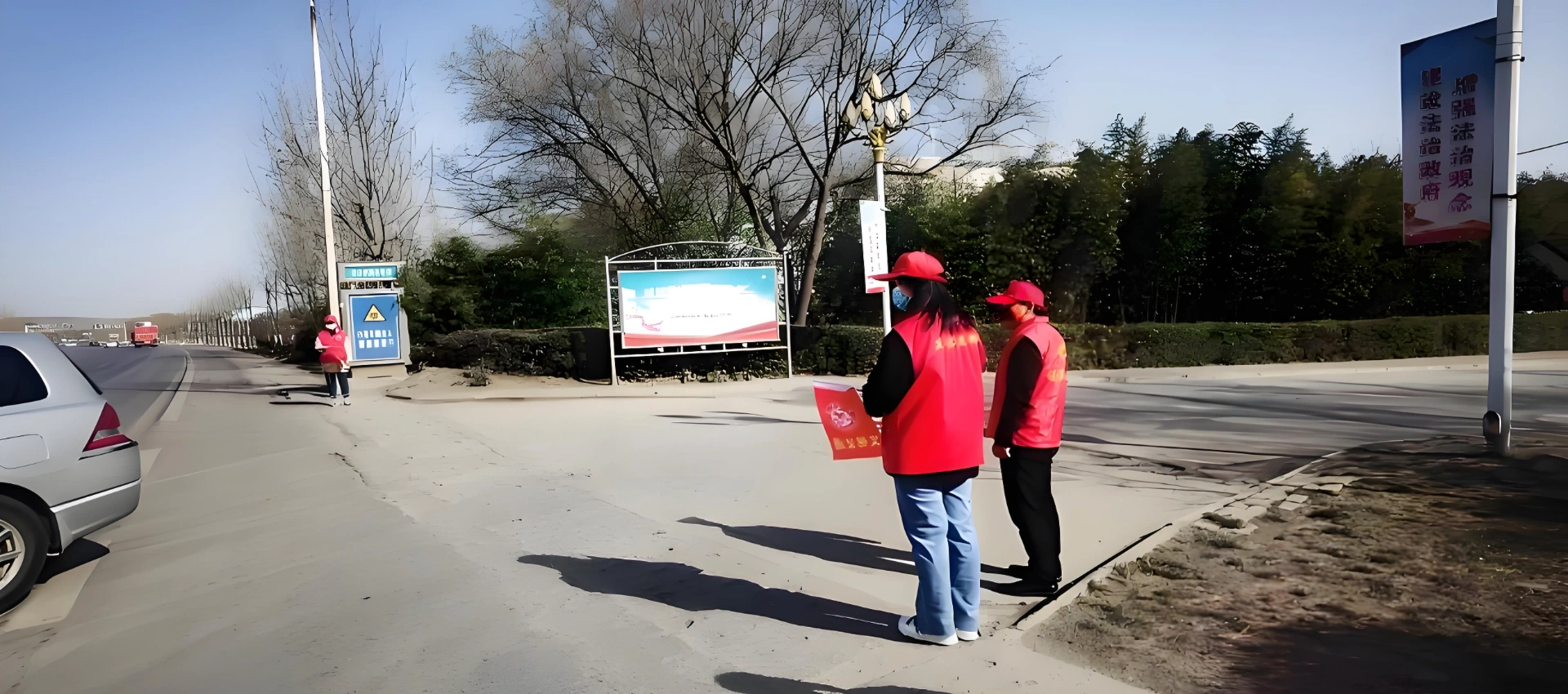
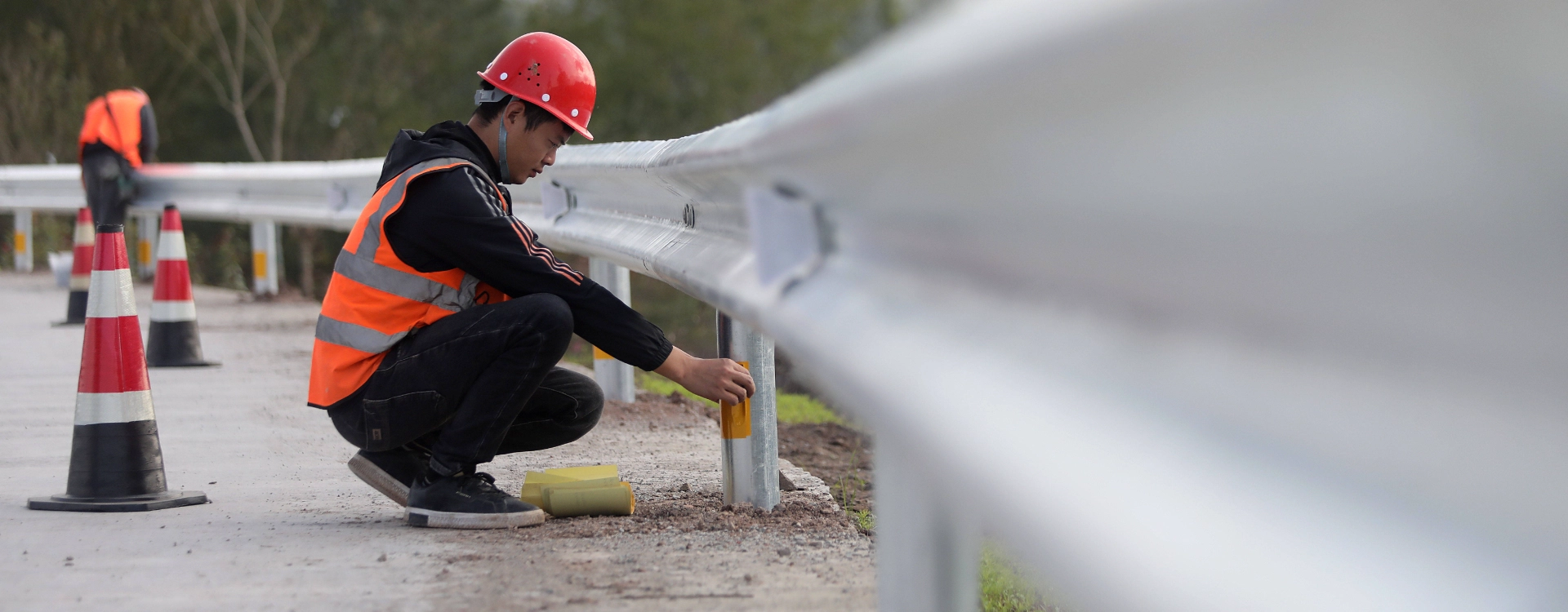
Improving the safety of highway intersections requires the coordinated efforts of human, physical, and technological security measures to build a closed-loop system of "pre-event warning - in-event protection - post-event traceability".

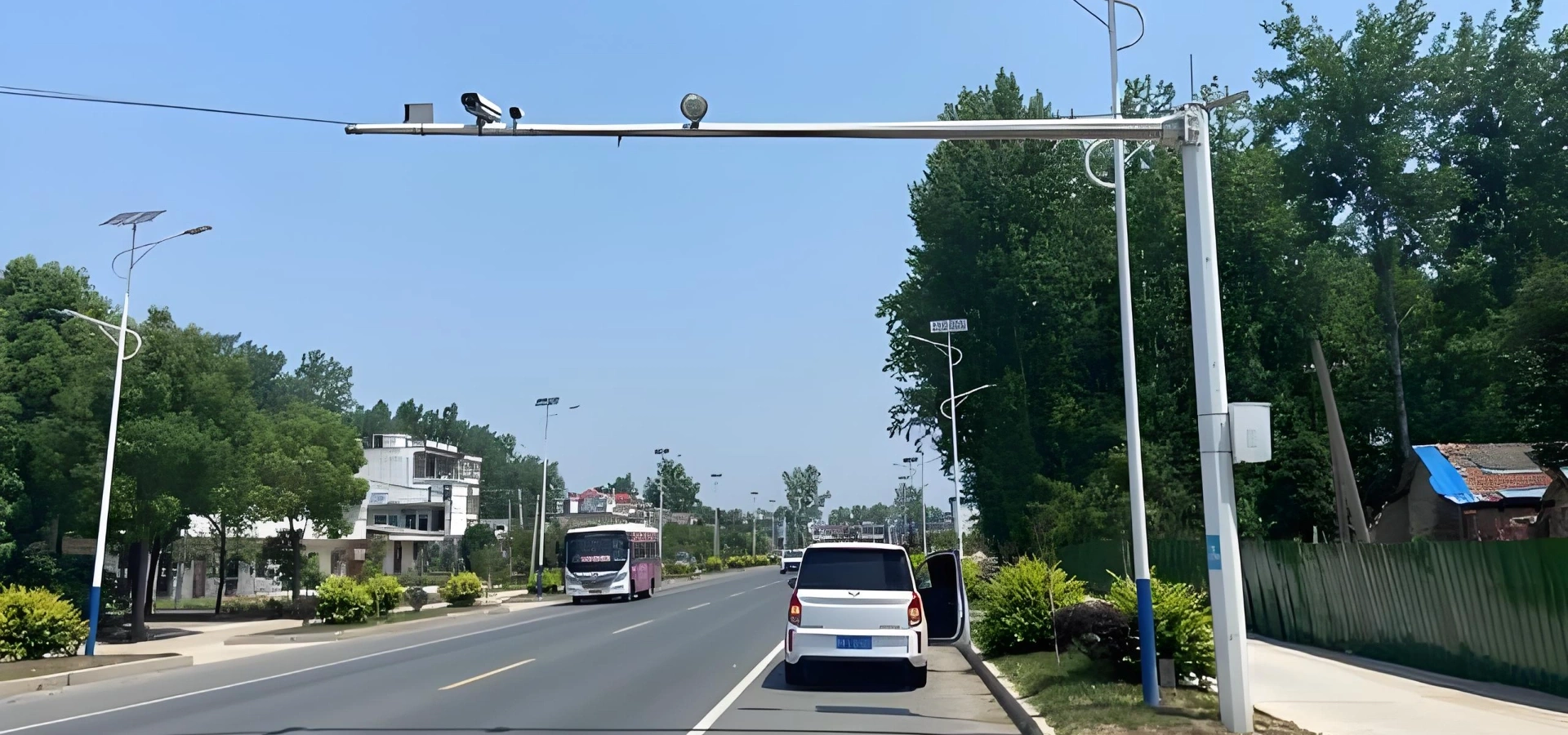

Core Values
By using AI algorithms and IoT technology to capture road risks (such as sharp bends and oncoming vehicles) in real time and providing immediate warnings to drivers through sound, light, and other means, the traffic accident rate will be significantly reduced, achieving a qualitative leap from "post-accident handling" to "pre-accident prevention." At the same time, its 24/7 operation not only improves traffic efficiency but also weaves a smart safety net covering urban and rural areas, protecting the lives of every traveler and making technology a fair and universal "road guardian."
-
Risk prediction and proactive intervention
Through dynamic monitoring and AI algorithms, early warnings and proactive reminders can be issued to reduce the accident rate.
-
Real-time monitoring and dynamic alerts
Using radar and cameras to detect vehicle position and speed, and using LED screens, sounds, and flashing lights to remind oncoming vehicles to slow down.
-
From experience-driven to technology-driven
By integrating road sensors, vehicle terminals, and meteorological data, a four-dimensional network of "people-vehicle-road-environment" is constructed to achieve risk classification and early warning.
Application Cases
-
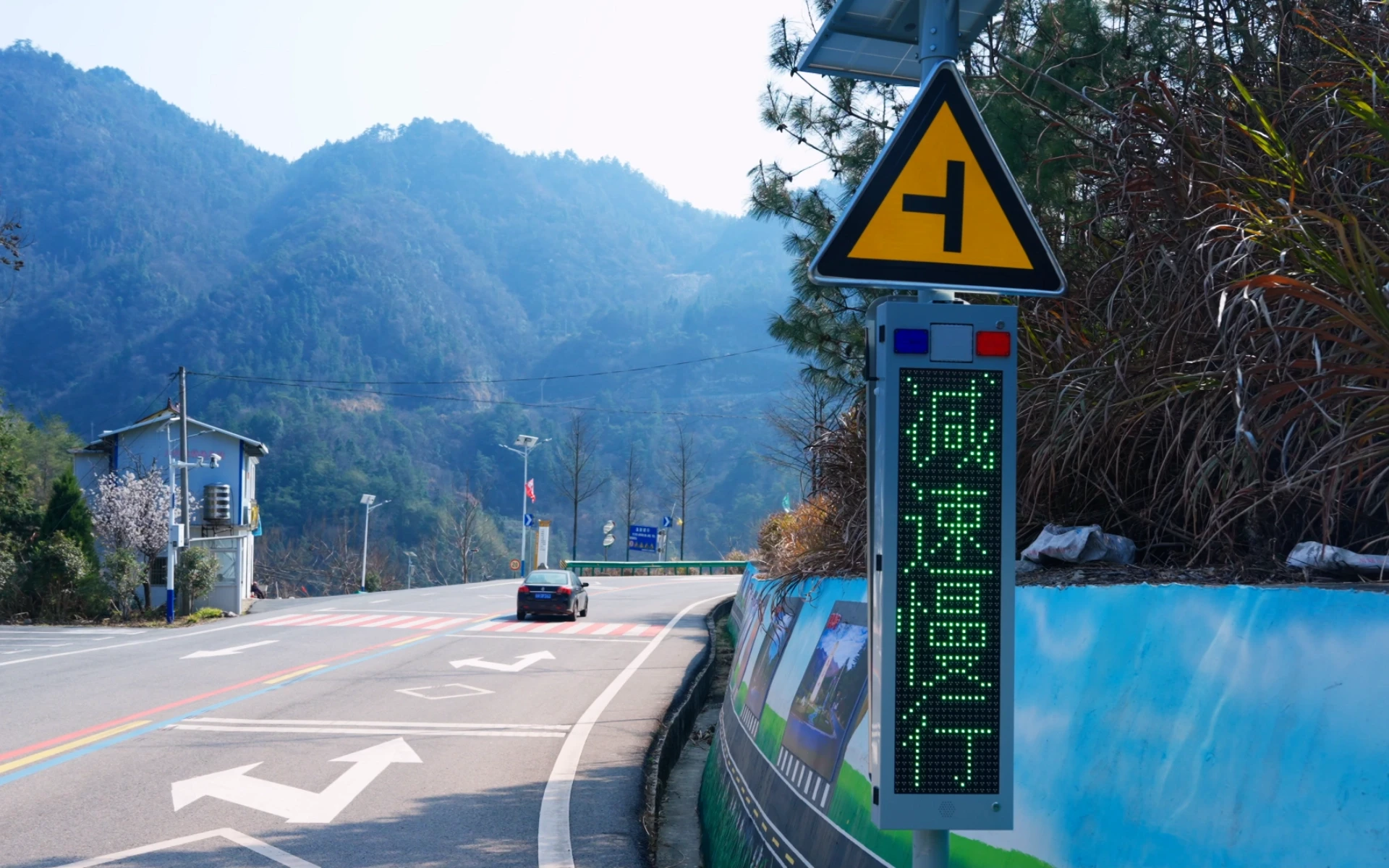
Safety Improvement Project at Mountain Road Intersections
To improve driving safety on mountain roads, the transportation department is implementing an intelligent early warning facility upgrade project at level crossings. This project will adopt a closed-loop management model of "front-end perception + cloud-based decision-making + terminal response." Roadside sensing devices will monitor vehicle traffic in real time, and AI algorithms will analyze the data to generate early warning commands, which will then be issued via solar-powered early warning terminals.
-
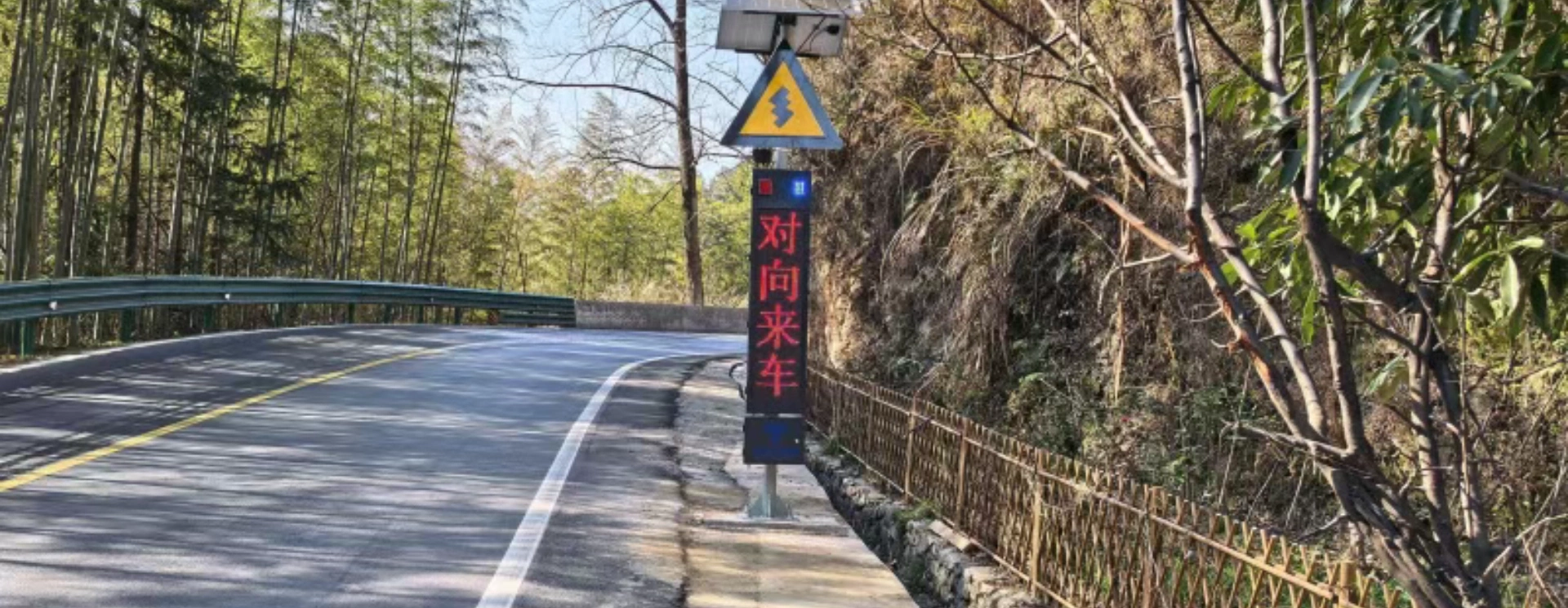
Safety Improvement Project for Sharp Curves on Mountain Roads
To improve driving safety on mountain roads, the transportation department has deployed an intelligent early warning system upgrade project on sections of roads with sharp bends and steep slopes. This project adopts a closed-loop management mechanism of "front-end perception + cloud-based decision-making + terminal response," relying on roadside sensing devices to collect traffic flow data in real time, analyzing it using AI algorithms to generate early warning commands, and then disseminating them in real time through solar-powered early warning terminals.